
Umrah Guide
Umrah 2026: A Complete Step-by-Step Guide for First-Time Pilgrims
Umrah, unlike Hajj, can be performed at any time of year, which is exactly why the process feels less rigid but also easier to get wrong on the details. The journey starts with your visa — for Pakistani citizens, Umrah visas are processed through licensed travel agencies connected to the Saudi Umrah portal (Nusuk), not applied for independently, so your first real decision is choosing that agency.
Before booking, decide your package tier: economy packages typically place you 800m–1.5km from Haram with shared transport; standard packages get you within 300–500m; VIP tiers offer rooms with a Haram view and private transport. Price differences between tiers are almost entirely driven by hotel proximity, not flight cost.
Packing for Umrah is simpler than most first-timers expect: for men, two sets of Ihram (unstitched cloth) plus a belt bag for valuables; for women, loose modest clothing in white or plain colours is customary though not obligatory. Bring your own small prayer mat, a bottle for Zamzam water on the return flight (check airline liquid rules), and comfortable slip-on sandals — you'll be removing and wearing them constantly.
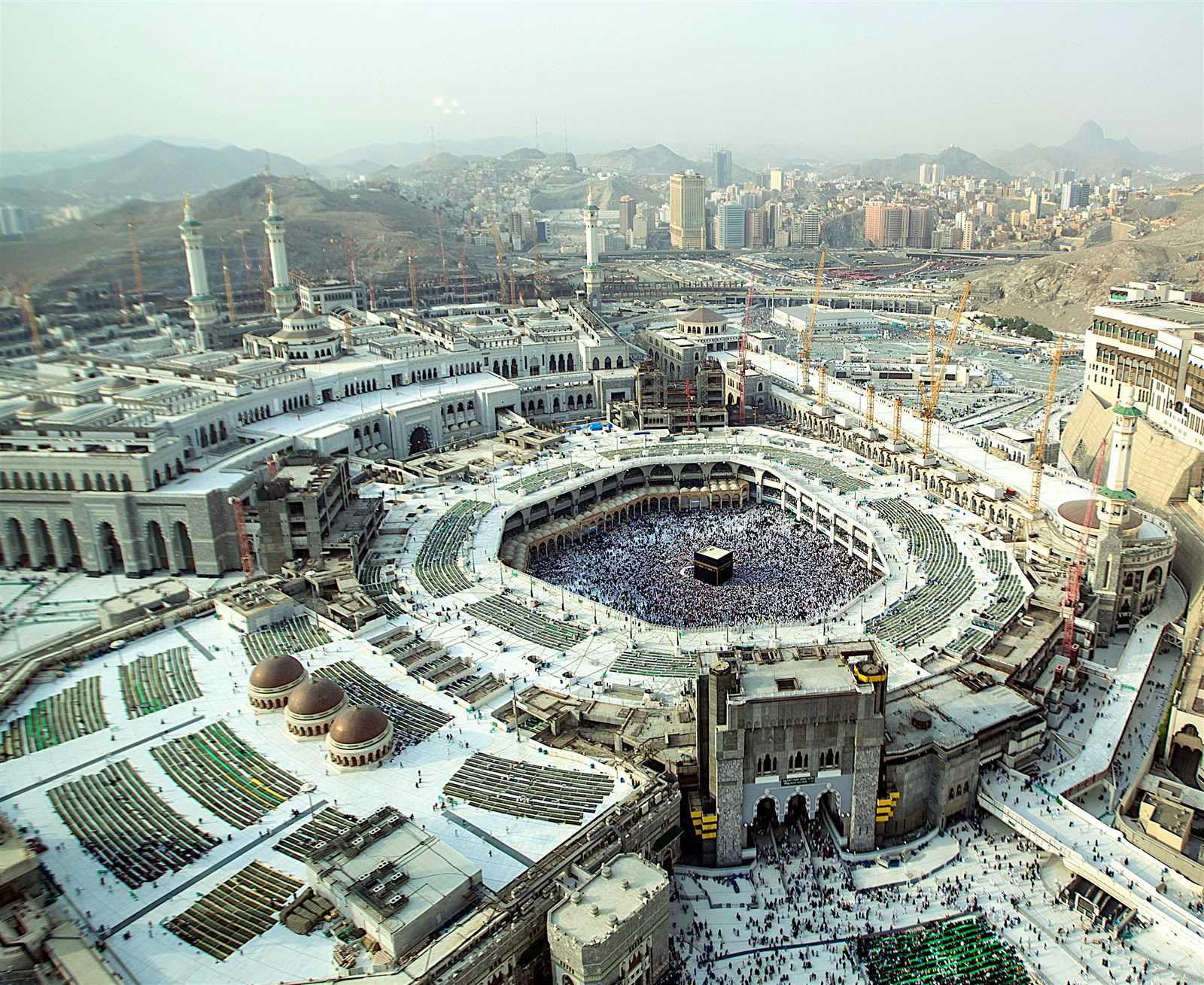
The rituals in order: Ihram is entered at the designated Miqat point (often on the flight or just before Jeddah/Madinah), followed by Tawaf (seven circuits around the Kaaba), Sa'i (seven passes between Safa and Marwah), and finally Halq or Taqsir (shaving or trimming hair), which completes the Umrah. Most first-timers complete the full ritual in 3–4 hours excluding rest breaks, though it varies with crowd levels.
The single biggest mistake we see first-time pilgrims make is underestimating crowd density during Ramadan and public holidays — if this is your first Umrah, consider travelling in a quieter month first. We arrange Umrah packages across all tiers from Lahore, with full guidance for first-time pilgrims from document submission through to Ziyarat tours in Makkah and Madinah.